
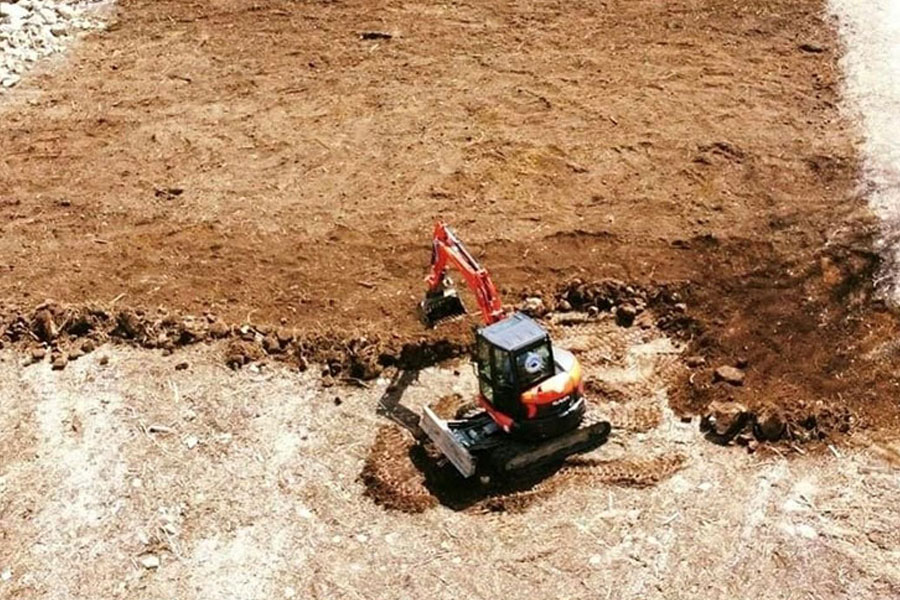
What Lies Beneath: Why Professional Trenching is Crucial for Underground Utilities in Connecticut
Installing underground utilities—whether extending electrical service to a new barn, running water lines to an outbuilding, or connecting to municipal utilities—is far more complex than simply digging a straight line in the dirt. Across central and western Connecticut, subsurface conditions vary drastically, presenting hidden obstacles ranging from dense hardpan clay and high water tables to thick tree roots and buried granite ledge.
Attempting a DIY trenching job with rental equipment or hiring an inexperienced contractor frequently leads to structural instability, code violations, and catastrophic damage to existing buried infrastructure. Here is why hiring a professional excavation team for your utility trenching project makes all the difference:
1. Strictly Meeting Local Depth & Code Requirements
In New England, local building codes mandate strict depth requirements for underground lines to protect them from frost heave during freezing winter months. Water lines must be buried deep below the frost line—typically at least 48 inches—to prevent freezing and bursting during bitter cold snaps. Electrical conduits and gas lines each require specific, distinct trench depths and separation distances to prevent hazardous cross-contamination. Professional excavators ensure every inch of trench meets local town regulations and passes municipal inspections without hassle.
2. Safe Subsurface Navigation
Before any heavy machinery strikes the ground, executing a thorough Call Before You Dig (CBYD) sweep is essential. However, public utility locates only mark lines up to the meter; private lines—such as old well feeds, septic pipes, electric sub-panel feeds, or outdoor lighting—remain unmarked. Experienced excavators possess the fine-motor hydraulic control and industry knowledge needed to carefully hand-expose existing lines and navigate around buried hazards without causing costly disruptions or safety risks.
3. Proper Trench Bedding and Pipe Protection
Digging the trench is only the first phase. Dropping pipes directly onto jagged, native New England rock or uneven soil sets your installation up for premature failure. Rocks shift during winter freeze-thaw cycles and can easily puncture or crush unshielded utility lines over time. Professional site contractors prepare the trench floor with tailored bedding materials—such as washed sand or processed stone dust—to cushion lines securely before backfilling.
4. Expert Compaction and Surface Restoration
One of the most common mistakes in amateur trenching is improper backfilling. Simply shoveling dirt back into a trench leaves air pockets that inevitably cave in after the first heavy rain, leaving dangerous, unsightly trenches across your driveway or lawn. Professional site preparation involves lifts (layer-by-layer compaction) using mechanical vibratory compactors to ensure the ground stays level, structurally stable, and ready for landscaping or paving immediately after backfilling.
Whether you are expanding electric service to a backyard workshop or connecting new utilities to a residential build, precision utility trenching guarantees long-term durability and peace of mind.