Prepping Your Property for a New Driveway or Outbuilding: What Every CT Homeowner Should Know
Whether you’re adding a detached garage, setting a pad for a new barn or storage shed, or installing a brand-new gravel or paved driveway, focusing on what goes underneath your project is the single most important factor in how long it lasts.
In Connecticut, freeze-thaw cycles during winter and heavy spring rains place tremendous stress on outdoor surfaces. Without proper ground preparation, driveways crack and rut, barn pads shift, and outbuildings develop uneven doors and structural strain.
Before placing stone, pouring concrete, or building timber frames, here is how professional site excavation ensures your project stands the test of time.
1. Removing Topsoil and Organic Matter
One of the most common DIY mistakes is pouring gravel or stone directly over existing grass or topsoil. Topsoil contains organic material that retains moisture, freezes, expands, and eventually decomposes.
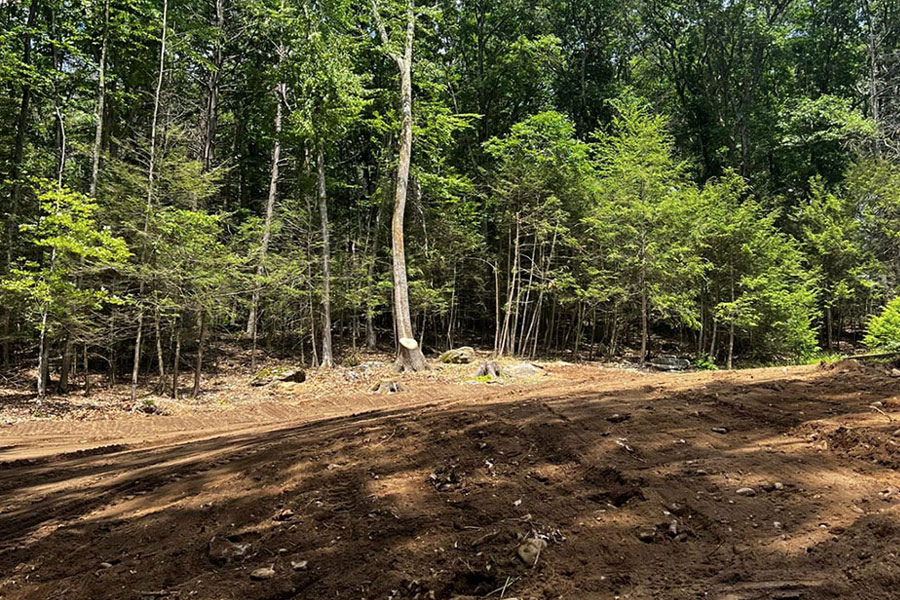
Over time, this creates voids beneath your driveway or shed base, causing severe settling. Professional site prep begins by excavating down to dense, inorganic subsoil—creating a stable, solid trench or pad footprint.
2. Establishing Subgrade Drainage and Slopes
Water is the enemy of any hard surface. If rainwater collects beneath a concrete pad or gravel driveway, winter frost will lift and heave the surface.
During the excavation phase, the subgrade is precisely graded with a subtle slope (typically 1–2%) to direct surface water away from the structure or main driveway access point. In areas with high water tables, perimeter curtain drains or geotextile fabric are installed to prevent groundwater from washing away the supporting base.
3. Importing and Layering the Right Aggregate
A long-lasting driveway or pad isn’t made of just one type of stone. It requires a layered sub-base engineered to handle heavy vehicle loads and machinery:
-
Processed Aggregate Base: A blend of crushed stone and stone dust that locks together tightly when compacted, creating a stone-hard foundation.
-
Geotextile Stabilization Fabric: Placed between soft native clay/soil and the stone base to prevent aggregate from sinking into the ground over time.
4. Heavy-Duty Mechanical Compaction
Simply spreading gravel with a tractor bucket leaves loose pockets of air. To achieve maximum load capacity, the aggregate base must be installed in thin layers (lifts) and mechanically compacted using heavy rollers or plate compactors. This step guarantees that heavy delivery trucks, tractors, or RVs won’t leave deep ruts in your new driveway.
Start Your Outdoor Building Project on Solid Ground
Investing in proper site preparation today saves thousands of dollars in repairs, repaving, and regrading down the road.
Whether you’re prepping for a new driveway, a workshop pad, or an outbuilding in Burlington, Canton, Simsbury, or anywhere across Litchfield County and the Farmington Valley, Northwest Dirtworks LLC brings 25+ years of precision machine expertise to your property.